Licensed, Bonded & Insured San Diego County and Temecula Valley

Custom Hardscape Design in San Diego

Hardscape is the skeleton of a yard: the patios, walls, steps and borders that decide how the space actually gets used. We design it around circulation and sightlines first, materials second.

One plan covers levels, drainage and materials, so pavers, walls and planting land as a single composition instead of a collection of projects.

Free in-home consultation · Same-day reply

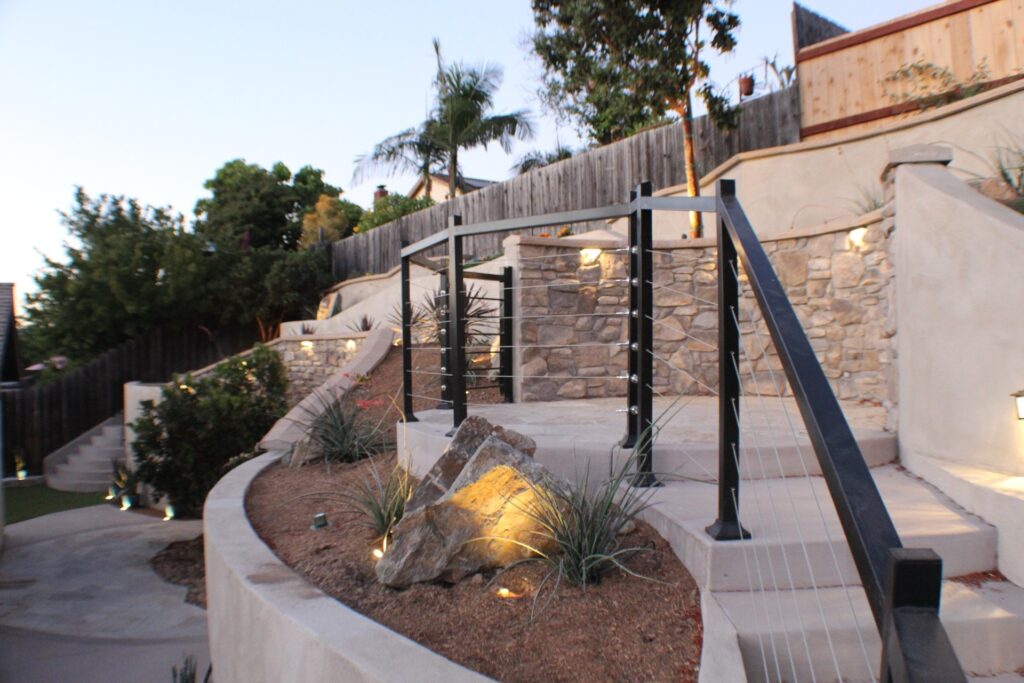
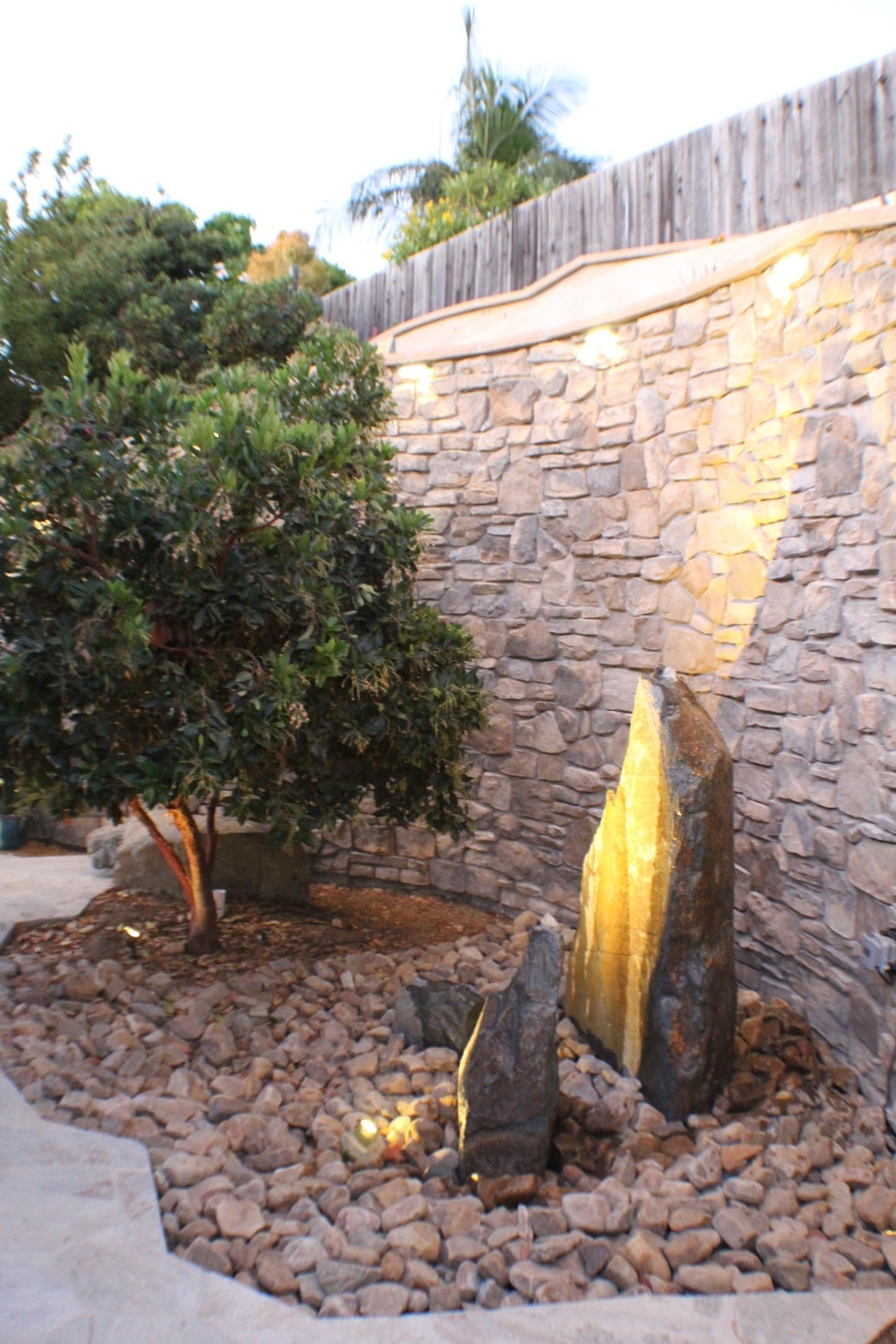
Uplit slate monoliths in a river-cobble bed against a stone-veneer retaining wall at dusk
Licensed & Bonded Insured California contractor
30 Years Of founder’s trade experience
Up to 20-Year Craftsmanship warranty
4.9 · 160+ Reviews from local homeowners
Hardscape Design, end to end

What hardscape design includes

Site plan & layout

How you move through the yard decides where surfaces and walls go.

Material palette

Pavers, stone, block and concrete chosen to work together, not compete.

Levels & steps

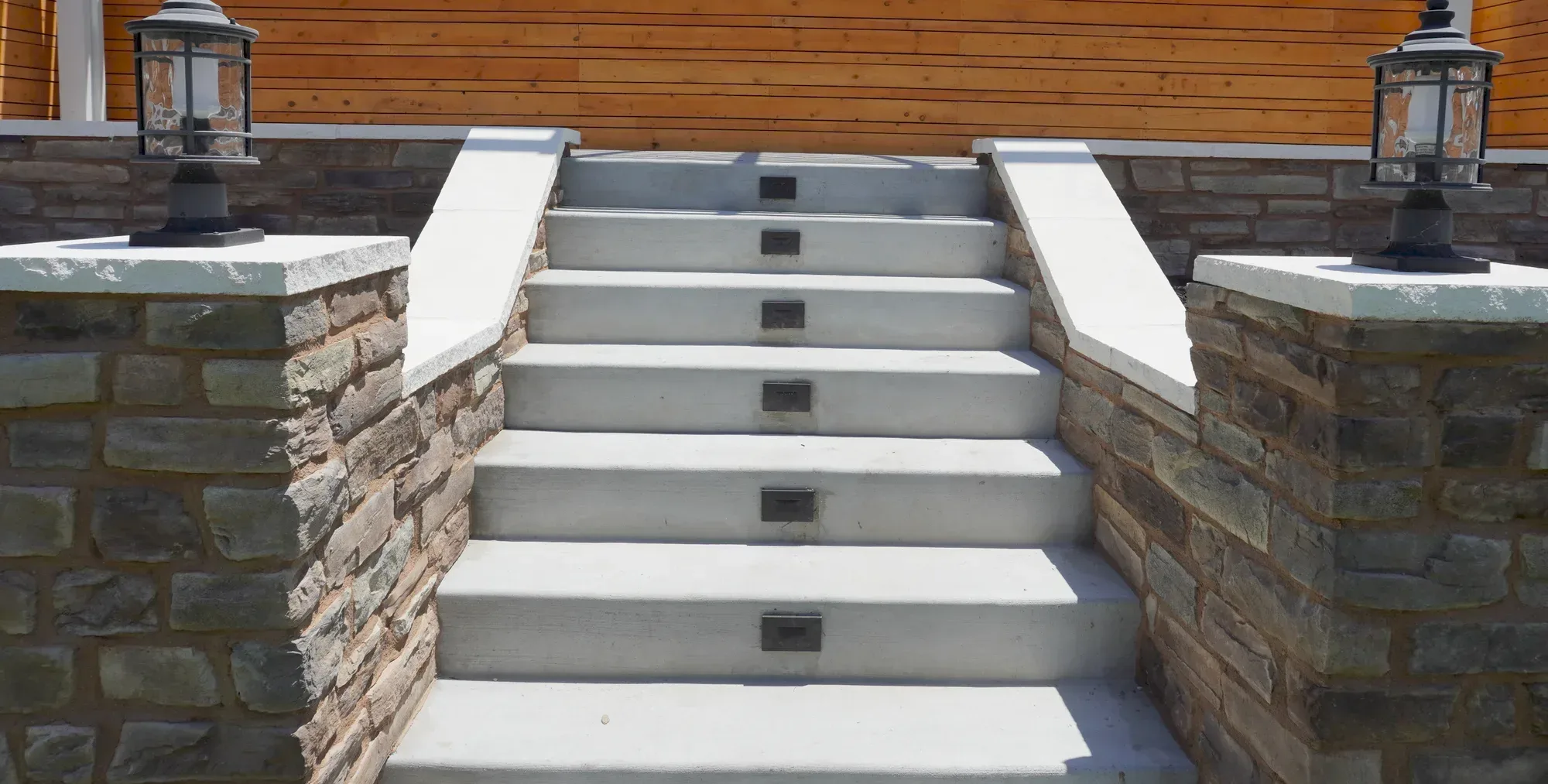
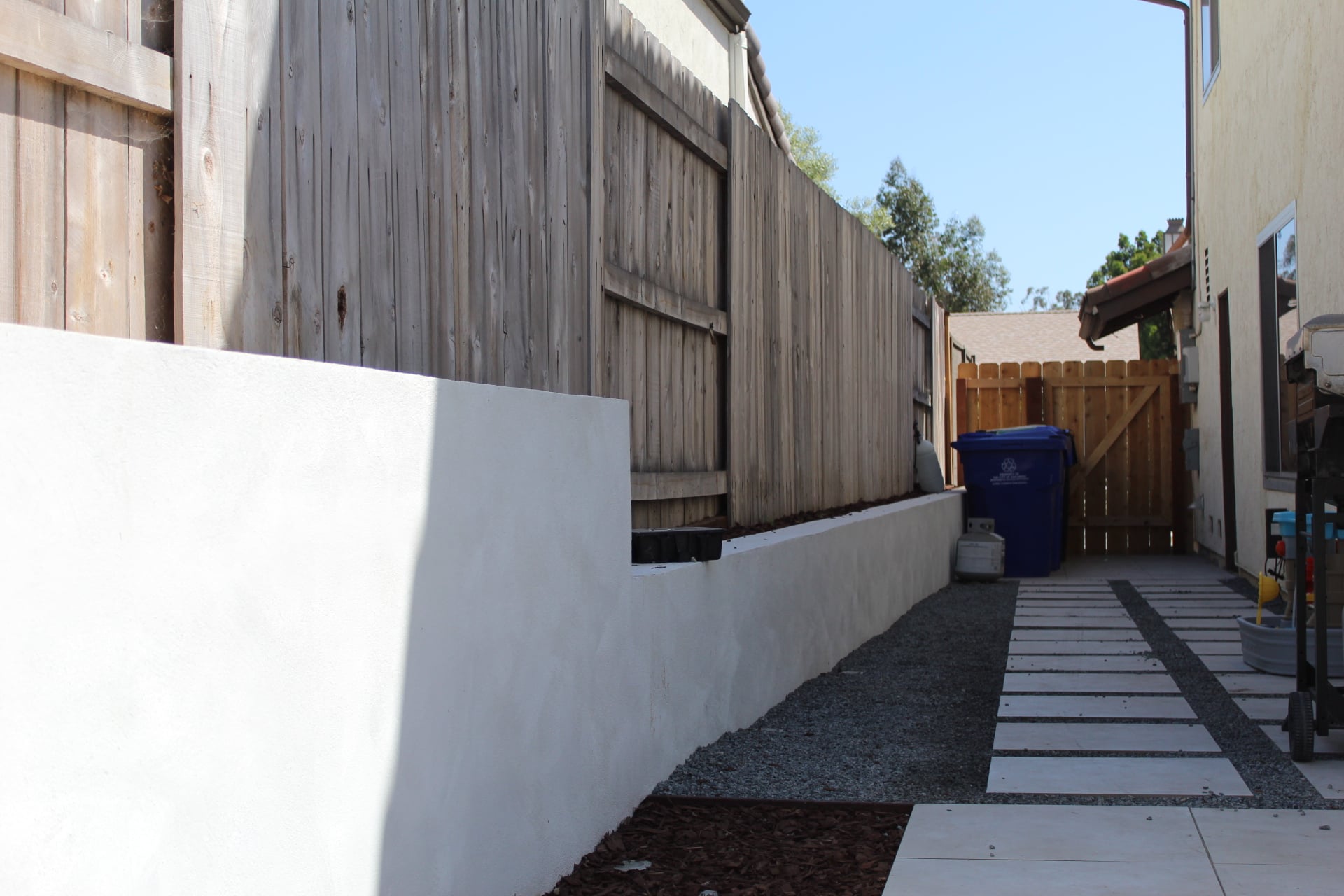
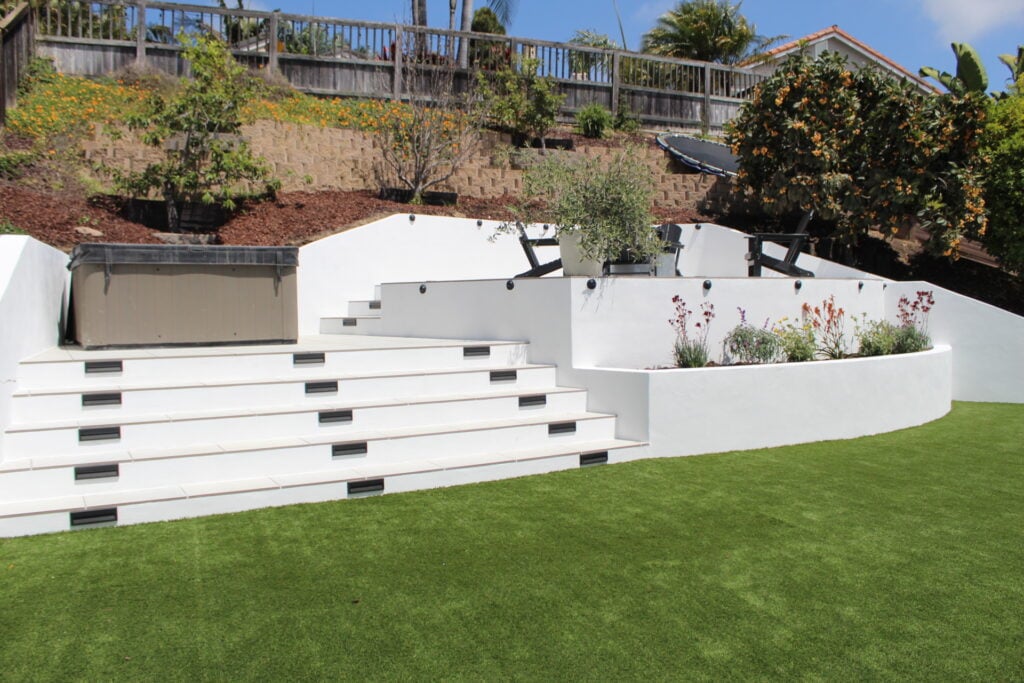
Grade changes turned into terraces, seat walls and comfortable stairs.

Drainage plan

Water routed off surfaces before it becomes a foundation problem.

Built-in features

Fire pits, seat walls and planters integrated from the first sketch.

How it works

Four steps. One crew. Zero surprises.

  1. 01

    Walk the site

    We meet at your home, measure, talk budget and what you want out of the yard. The in-home consultation is free; your written quote follows in 2-3 days.

  2. 02

    Design & written quote

    You get a clear scope and a written quote: what we build, the materials, and the price. No surprises mid-build.

  3. 03

    Build

    Our own local crew does the work, from grading and hardscape to turf, walls and kitchens, with one point of contact throughout.

  4. 04

    Final walkthrough

    We walk the finished yard together and only call it done when you do.

Straight from the job site

Recent Hardscape Design Projects in San Diego

See the full Photo Wall

Before you build

What goes into great hardscape design in San Diego

Materials and design styles to choose between

Every hardscape design starts with a material decision, and each option carries a real trade-off. Concrete pavers are the most versatile and the easiest to repair, since a stained or cracked unit lifts out on its own. Natural stone, like flagstone or travertine, brings a warmer, higher-end look but costs more and varies piece to piece. Poured concrete gives the cleanest, most contemporary lines, though any crack in it is permanent, not a swap.

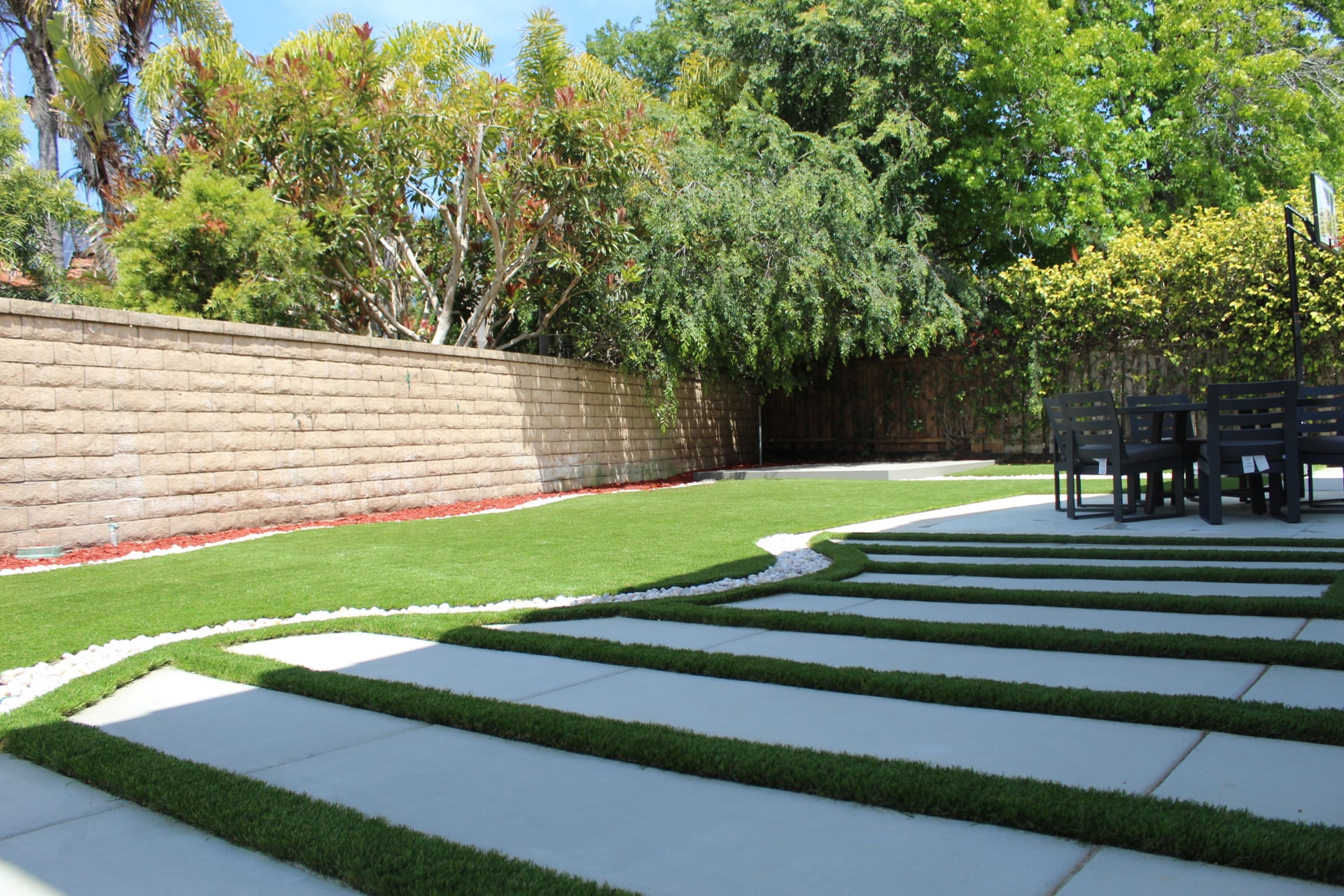
Style matters as much as material. A Spanish tile roof or stucco exterior usually pairs best with warmer stone tones and tumbled edges, while a modern home suits large-format pavers or smooth concrete in cooler grays. We generally limit a design to two or three materials total, using the secondary choice for borders, steps or an accent band rather than spreading every option across the whole yard.

Flagstone installation: dry-set versus mortared patios

Flagstone is flat, irregular natural stone laid as a patio or walkway, prized for an organic, rooted-in look that manufactured pavers cannot quite copy. It can be installed two ways. Dry-set flagstone rests on a compacted base of gravel and sand with planting or decomposed granite swept into the joints, which drains freely, flexes with the soil and gives a soft, natural feel underfoot. It is the more forgiving install and the easier one to adjust or repair later.

Mortared flagstone is set in a mortar bed over a concrete slab with grouted joints, giving a firmer, more formal surface that holds furniture flat and keeps weeds out of the joints, at the cost of a rigid base that can crack if the slab beneath it moves. Compared to pavers, flagstone brings more natural variation piece to piece but installs more slowly, since each irregular stone is fit by hand, and it typically needs sealing to resist staining. Which method fits depends on the look you want and how the space will be used, which we walk through on-site.

What actually shapes the cost of a hardscape design

Hardscape pricing comes down to a handful of real variables, not a flat rate per square foot. Size of the area matters, but so does site access: a backyard reachable only through a narrow side gate takes longer than one a machine can drive straight into. Removing an old patio, walkway or dead lawn before the new surface goes in adds its own labor, and that demolition scope changes project to project.

Slope and engineering are the other big drivers. A flat yard is the simplest canvas; a graded lot often needs retaining structures, extra excavation or engineered drainage before a single paver goes down. Material grade plays in too, since a premium porcelain or natural stone costs more to source and install than a standard paver line. We walk every one of these factors with you on-site before writing a quote.

Designed for San Diego's climate and terrain

San Diego’s sun is the real test for any hardscape. Intense UV fades and chalks lower-grade materials over the years, so color stability and sealant quality matter more here than in milder climates. Many lots also sit on a slope, and a design has to route water safely across grade changes instead of pretending the yard is flat. Expansive clay soil, common across inland neighborhoods, moves with moisture and demands a properly compacted base or surfaces heave over time.

Coastal properties add another layer: salt air corrodes lower-grade metal edging and fasteners faster than an inland yard ever sees. Many San Diego neighborhoods also carry HOA design guidelines or require permits for certain hardscape elements, particularly anything that changes grade or drainage flow toward a neighboring lot. None of this is exotic, it just has to be planned for from the first sketch rather than discovered halfway through installation.

Mistakes to avoid when planning a hardscape

The most common mistake is choosing surfaces before drainage is solved: a beautiful patio that ponds water after every rain is a design failure, not a material one. A close second is picking a material that fights the house instead of complementing it, a cold gray slab against a warm Spanish stucco home rarely reads as intentional. Both mistakes are cheap to avoid on paper and expensive to fix once concrete is poured or pavers are set.

The other common gap is treating design and installation as two separate hires. When the same team draws the plan and builds it, drainage, wall footings and paver layout stay coordinated instead of getting reinterpreted by whoever shows up to pour concrete. Before hiring anyone for San Diego hardscape work, ask to see how they handle water on the site plan, not just which pavers they carry.

Want a number before we talk? Book a free in-home consultation and get an exact written quote.

Book My Free Consultation
Homeowners on our work

What San Diego clients say

4.9 from 160+ client reviews

We had a great experience with Sunny Builders. They just completed the first project for us, revamping our front yard. They were very efficient; just 2 days ago, our yard had was all weeds and dirt. We left the design to Sunny Builders and they made it look better than we imagined. They did the job quickly and at a very reasonable price with no surprise fees. I would definitely recommend them and we'll be using their services again.

Hans Baker Google

We recently had our side yard completely redone, and the experience with Sunny's Builders was incredible from start to finish. I was a bit nervous at first about hiring a company I found online, but I'm so glad I did. They exceeded every expectation! Our side yard looks incredible, and the entire process was smooth, professional, and stress-free. The team was professional, communicative, and truly cared about every detail. They transformed a space we had ignored for years into something beautiful and functional. We couldn't be happier with the results and highly recommend them to anyone looking for quality work and a stress-free process!

Lauren Benton Google

We had a GREAT experience with Sunny Builder's Group! From Rachel, our first contact, to Roei and his crew of workers, these folks did an amazing job accommodating us on short notice and transforming our side yard into a beautiful outdoor living space. They completed the job in only 8 days, from first call and appointment to assess the project, to finishing the job! Roei and his men were honest, professional, and paid great attention to detail in creating a lovely functional area for us to get the most out of our small yard. We would highly recommend them for any job, large or small and will definitely contact them in the future for additional projects!

Ann Melville Google

Read more reviews

Across the county

Where we build

From the coast to the foothills. Find your city on the plan, or in the list below.

Site-plan map of Sunny Builders’ service area: San Diego County and Temecula Valley The Pacific coastline runs down the left, a dashed line marks the service-area boundary, and featured cities are plotted as pins at their true locations. The pins are highlights, not limits: we build across all of San Diego County and Temecula Valley. The same cities are listed as links below the map. Pacific Ocean San Diego County Oceanside Carlsbad Encinitas La Jolla Solana Beach Del Mar Fallbrook Vista Point Loma Carmel Valley Bonsall Rancho Santa Fe Coronado San Marcos San Diego Temecula Rancho Penasquitos 4S Ranch Scripps Ranch National City Escondido Rancho Bernardo Chula Vista Bonita Poway La Mesa Santee El Cajon Lakeside Ramona Alpine Julian

We build across all of San Diego County and Temecula Valley.

Interactive map of featured cities Sunny Builders serves. Each pin links to that city’s page; the full list appears below. Service covers all of San Diego County and Temecula Valley, not only the pinned cities.
Good to know

Frequently asked questions

What is the difference between hardscape and landscaping?

Hardscape is the built, hard-surface layer: patios, walls, walkways, steps. Landscaping is the living layer. Great yards plan both together, which is exactly what we do.

Do I need a designer for a small yard?

Small yards benefit most: with no room for error, layout decides whether the space feels bigger or cluttered.

Can you work from my architect's or designer's plan?

Yes. We build from outside plans regularly and flag any buildability or drainage issues before work starts.

How do I choose the right hardscape material for my home's style?

Start with your house's existing tones, roof color, stucco shade, trim, and pick a material that echoes rather than fights them. Warmer stone suits Spanish and Mediterranean homes; large-format pavers or smooth concrete suit modern builds. We bring physical samples on-site during the consultation so you can see the material in your own light, not a showroom's.

Can a hardscape design be built in phases over time?

Yes, and for larger properties we recommend it. We design the full site plan up front, covering grading, drainage and every level, then sequence construction into phases that fit your timeline and priorities. Because the whole plan exists before phase one breaks ground, a patio built this year lines up correctly with the walkway or wall you add later.

What's the difference between hardscape design and hardscape installation?

Design is the plan: layout, materials, levels and drainage worked out on paper before anyone digs. Installation is the physical build that follows that plan. Some companies only do one or the other, which is where projects fall apart at the handoff. We do both under one roof, so the person who designed your yard is accountable for how it actually gets built.

How do you keep a hardscape design cohesive across a large or multi-level yard?

Consistency comes from repetition, not sameness: carrying one primary material, one edge detail and one color family through every level and zone, even as the specific use changes from patio to path to steps. We map the whole property as a single plan before any material gets ordered, so a hillside terrace and the patio below it clearly belong to the same yard.

Should flagstone be dry-set or mortared?

It depends on the look and how the space will be used. Dry-set flagstone rests on a compacted gravel and sand base with planted or decomposed-granite joints, drains freely and has a softer, more natural feel, and it is easier to adjust or repair. Mortared flagstone is set in mortar over a concrete slab with grouted joints for a firmer, more formal surface that keeps weeds out and holds furniture level. We recommend one over the other based on your drainage, your style and the traffic the surface will see.

How does flagstone compare to pavers?

Flagstone is natural stone with irregular shapes and real variation piece to piece, which gives a more organic look than the uniform, repeating pattern of manufactured pavers. Pavers install faster and more predictably since every unit is the same size, and a damaged one lifts and swaps out cleanly. Flagstone is fit by hand, so it takes longer to lay and usually needs sealing, but many homeowners choose it precisely for the natural character pavers cannot match. We install both and will lay out the trade-offs for your specific project.

What warranty covers this work?

Warranty length follows the material we install: retaining walls 20-Year, pavers 15-Year and concrete 10-Year. That is our workmanship warranty on the installation, written into your contract, and we walk through exactly what it covers on your project at the in-home consultation.

Before you commit

Guides for your project

Often built together

Related services

Free in-home consultation

Tell us about your project

Send the form and we’ll call you back to book your free in-home consultation. Or skip the form entirely:

(858) 888-1725

Takes about 30 seconds. No spam, ever.

Your free in-home consultation usually takes 30–60 minutes. Your written quote follows within 2–3 days.

4.9 on Google · 160+ reviews

Licensed, Bonded & Insured · CSLB #1098213 · BBB A+ Rated

By submitting, you agree we may call, text, or email you about your project. Opt out anytime. Privacy policy